Double Walled Glass Coffee Mugs: A Practical Guide to a Kitchen Essential
 abdallahelmalmi13@gmail.com
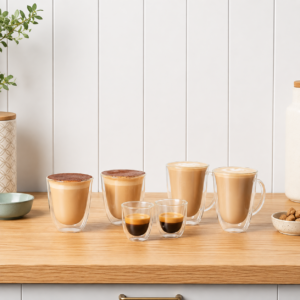
There's a particular kind of satisfaction that comes from watching a cappuccino swirl in a clear glass, the layers of espresso and foam visible before that first sip. It's a small thing, but it's the kind of small thing that can shift a daily habit into something a little more deliberate. Double walled glass coffee mugs have found their way into a lot of kitchens over the past several years, not because they're flashy, but because they solve a handful of real, everyday problems in a fairly elegant way. This article takes a closer look at one such product—a 16 oz double walled borosilicate glass coffee mug set that comes with four cups and four spoons—and walks through what these mugs actually offer, how they tend to get used, and what's worth thinking about before adding a set to your own cupboard.
Introduction
Glassware for hot beverages has come a long way from the days of thin, single-walled glasses that either burned your fingers or cracked under thermal stress. The double wall construction technique, borrowed originally from laboratory glassware and high-end café culture, creates a pocket of air between two layers of glass. That air gap does a lot of quiet work: it insulates your hand from the heat of the liquid inside, it slows down how quickly your drink cools, and it gives the mug a visual lightness that a ceramic mug simply can't replicate. When you pour a hot latte into one of these glasses, you're not just filling a cup—you're putting on a small visual show, since the glass itself all but disappears, leaving the drink looking like it's floating.
This particular set includes four mugs, each holding 16 ounces, along with four small spoons, which is a thoughtful inclusion for anyone who takes sugar, stirs in creamer, or enjoys the ritual of scooping foam off the top of a cappuccino. The mugs are made from borosilicate glass, a material that's worth understanding on its own, since it's the backbone of what makes this kind of glassware functional rather than just decorative.
Below, we'll walk through the features, the practical ways these mugs tend to get used, who might find them useful, and a few things worth considering before you decide if this is the right addition to your kitchen.
Key Features
Borosilicate Glass Construction
Borosilicate glass is a specific type of glass made with boron trioxide, which gives it a much lower coefficient of thermal expansion than standard soda-lime glass. In plain terms, this means the glass expands and contracts less when exposed to sudden temperature changes. That's a meaningful distinction for coffee mugs, because pouring boiling water into a cold glass is exactly the kind of thermal shock that can crack ordinary glassware. Borosilicate glass is far more resistant to that kind of stress, which is part of why it's the material of choice for lab beakers, high-end teapots, and now, a growing number of coffee mugs.
Double Wall Insulation
The "double walled" part of the name refers to the construction method: two layers of glass fused together with a sealed air gap in between. This design serves two main purposes. First, it keeps the outside of the mug cooler to the touch even when the beverage inside is quite hot, which reduces the chances of burned fingers and makes the mug more comfortable to hold without a sleeve or handle. Second, it helps slow the rate at which your drink loses heat, so a coffee or tea can stay warmer for a longer stretch compared to a single-walled glass of similar size.
16 Ounce Capacity
At 16 ounces, these mugs sit on the larger end of the typical coffee mug spectrum. That capacity is generous enough for a full latte, a large pour-over, or a generous cup of tea, without tipping into "soup bowl" territory. For espresso-based drinks like cappuccinos, some people prefer a slightly smaller vessel to keep the ratio of espresso to milk more visually distinct, but a 16 oz glass still works well for layered drinks, and there's enough room to add ice for iced coffee or cold brew during warmer months.
Set of Four with Matching Spoons
Buying a set rather than a single mug has obvious practical value for households with more than one coffee drinker, or for anyone who likes to have matching glassware on hand for guests. The inclusion of four spoons rounds out the set nicely, since dedicated small spoons are handy for stirring sugar into a hot drink, scooping foam, or eating the last bit of whipped cream off the top of a specialty coffee.
Clear, Handle-Free Design
Most double walled glass mugs, including this style, skip the handle entirely. The insulating air gap does the job a handle would otherwise do—keeping your hand away from the heat—so the exterior can stay smooth and handle-free. This also contributes to the visual appeal: nothing interrupts the clean lines of the glass, and the drink itself becomes the focal point.
How It Can Be Used
Double walled glass mugs are versatile enough to move through a lot of different roles in a kitchen. Here are some of the more common ways people put them to use.
Everyday coffee and tea. For a lot of people, the simplest use case is also the most frequent one: pouring a regular cup of coffee or tea in the morning. The insulation helps keep the drink at a comfortable temperature a bit longer, which is useful for anyone who tends to get distracted between pouring a cup and actually sitting down to drink it.
Espresso-based drinks. Cappuccinos, lattes, macchiatos, and flat whites all benefit visually from a clear glass. Watching the layers of espresso, steamed milk, and foam settle is part of the appeal of café culture, and these mugs let you recreate that at home.
Tea service. Loose leaf tea, tea bags, and herbal infusions all look appealing in clear glass, especially teas that change color as they steep, like butterfly pea flower tea or certain herbal blends. Because the outside of the glass stays relatively cool, these mugs are also comfortable to hold while a tea steeps directly in the cup.
Iced beverages. While the primary marketing angle for double walled glass tends to focus on hot drinks, the same glass works well for iced coffee, iced tea, or cold brew. The insulation helps slow ice melt slightly, keeping a cold drink from watering down as quickly.
Dessert and light food service. Some people use these glasses for parfaits, puddings, or other layered desserts where the visual presentation matters. The 16 oz capacity gives enough room for a proper dessert portion.
Hosting and entertaining. A matching set of four makes it easy to serve coffee or tea to guests without mismatched mugs. The clear glass has a slightly more upscale look than standard ceramic mugs, which can be a nice touch for casual entertaining or a small dinner party.
Gift-giving. Sets like this one are commonly given as housewarming gifts, wedding presents, or gifts for coffee and tea enthusiasts, in part because the packaging and presentation of a matched set tends to feel more considered than a single mug.
Who It May Be Suitable For
Not every kitchen tool suits every household, so it's worth thinking through who tends to get the most value out of double walled glass mugs like these.
Home coffee enthusiasts. Anyone who has invested in an espresso machine, a pour-over setup, or a French press at home often appreciates glassware that lets them see the result of their efforts. Watching crema form or milk foam settle is part of the enjoyment for a lot of home baristas.
Tea drinkers who enjoy visual variety. If you drink a lot of loose leaf or specialty tea, clear glass lets you appreciate the color and clarity of the brew in a way that ceramic or opaque mugs don't.
People who dislike bulky mugs. Because double walled glass doesn't need a thick ceramic wall or ridged sleeve to stay comfortable to hold, these mugs tend to feel lighter and more refined in the hand compared to some heavier stoneware options.
Households that entertain occasionally. A set of four is a practical size for small gatherings, and having matching glassware on hand saves the scramble of digging through mismatched cupboard mugs when guests arrive.
Those furnishing a new kitchen. Because the set includes both mugs and spoons, it can serve as a fairly complete starting point for coffee and tea service in a new home or apartment.
On the other hand, this style of mug may be less appealing to people who strongly prefer the heat retention and heft of thick ceramic mugs, or who want a mug with a handle for a firmer grip. It's also worth noting that glass, even durable borosilicate glass, requires a bit more care than stoneware or plastic, which brings us to the next section.
Important Things to Consider
Before adding any glassware set to your kitchen, it helps to think through a few practical details.
Care and cleaning. Most double walled glass mugs, including borosilicate designs, are best hand washed. While the glass itself is durable, the sealed air gap between the two walls can be vulnerable to extreme or repeated temperature swings in a dishwasher, and harsh detergents combined with high heat cycles can sometimes affect clarity over time. Checking the specific product listing for the manufacturer's cleaning recommendations is a good idea before committing to a dishwasher routine.
Microwave use. Because these mugs have a sealed air pocket between two layers of glass, microwaving them isn't generally recommended. The trapped air can heat unevenly or create pressure issues, so it's worth reheating beverages on a stovetop or in a separate microwave-safe container instead, if that's part of your routine.
Fragility relative to ceramic. Borosilicate glass resists thermal shock well, but it's still glass, which means it's more prone to breaking from drops or impacts than a ceramic or stoneware mug would be. If you have a particularly active household with young children or pets, that's worth factoring in.
Heat retention compared to insulated tumblers. Double walled glass slows heat loss compared to single-walled glass, but it doesn't match the heat retention of a vacuum-insulated stainless steel tumbler. If your main priority is keeping coffee hot for hours, a double walled glass mug is a step up from standard glass, but it's not designed to compete with true vacuum insulation.
Capacity fit for your preferred drink. At 16 ounces, these mugs are on the larger side. If you tend to drink smaller, more concentrated coffee like a traditional cappuccino or macchiato, you may find the proportions look a bit different than what you'd get from a 6 or 8 ounce glass designed specifically for those drinks.
Storage space. Clear glass mugs, especially a set of four, take up a reasonable amount of cabinet space, and because they're breakable, many people prefer to store them with a bit of padding or separation rather than nested tightly together.
Comparing General Mug Categories
It can help to see how double walled glass mugs stack up against other common mug materials in a general sense, without singling out any particular brand or product.
Double walled glass vs. ceramic mugs. Ceramic mugs are typically heavier, more resistant to breakage from minor impacts, and often better at holding onto heat for a longer stretch simply due to the thickness of the material. Double walled glass, by contrast, tends to be lighter, more visually striking, and cooler to the touch on the outside, but it generally requires a bit more careful handling.
Double walled glass vs. single walled glass. Single walled glass mugs are usually less expensive and simpler in construction, but they get hot to the touch quickly and cool down faster. The double wall design specifically addresses both of those drawbacks, at the cost of a slightly bulkier profile and a higher price point.
Double walled glass vs. insulated stainless steel tumblers. Stainless steel tumblers, particularly vacuum-insulated ones, are the heat retention champions of the mug world and are generally more break-resistant, but they don't offer the visual transparency that makes glass appealing for espresso drinks or steeping tea. They also tend to affect the perceived taste of a beverage slightly less than some people expect, though this varies by individual preference and is a widely debated point among coffee drinkers.
Double walled glass vs. plastic travel mugs. Plastic mugs are the most break-resistant and often the most budget-friendly option, but they lack the aesthetic and tactile qualities of glass and can sometimes retain odors or stains from strongly flavored beverages over time.
Each category has its place, and the right choice really comes down to what you value most: visual presentation, heat retention, durability, weight, or some balance of all four.
Frequently Asked Questions
Are double walled glass mugs safe for hot liquids?
Yes, borosilicate glass is specifically engineered to handle hot liquids and resist the thermal shock that can occur when pouring boiling water into a cold glass. That said, always check the specific product's guidelines, since handling instructions can vary slightly between manufacturers.
Can these mugs go in the microwave?
Generally, double walled glass mugs are not recommended for microwave use because of the sealed air gap between the two layers of glass. It's best to check the product listing directly and, if in doubt, reheat beverages separately.
Are they dishwasher safe?
Many double walled glass mugs are hand-wash recommended to preserve the clarity and integrity of the glass over time, though some are labeled as dishwasher safe on a gentle cycle. It's worth reviewing the specific care instructions provided with the product.
Why don't these mugs have handles?
The double wall construction is designed to keep the outer surface cool enough to hold comfortably without a handle. This also contributes to the clean, minimalist look that many people find appealing.
What's the benefit of the spoons included in the set?
Small spoons are useful for stirring in sugar or creamer, mixing loose tea, or scooping foam and whipped toppings from specialty coffee drinks. Having matching spoons included saves the step of sourcing them separately.
Is 16 oz a good size for espresso drinks like cappuccino?
It depends on preference. Sixteen ounces comfortably fits a latte or a larger cappuccino with plenty of milk, but those who prefer a more concentrated, traditional cappuccino ratio might find a smaller glass suits that particular drink better.
How should I store glass mugs to avoid breakage?
Storing them with a bit of space between each mug, rather than stacking or nesting them tightly, can help reduce the risk of chips or cracks from glass-on-glass contact.
Conclusion
Double walled glass coffee mugs occupy a nice middle ground in the world of drinkware: they offer more insulation and practicality than basic single-walled glass, while retaining the visual clarity and lightness that ceramic and steel simply can't provide. A set like this one, with four 16 oz mugs and matching spoons, is well suited to households that enjoy coffee or tea as a bit of a ritual, appreciate watching a drink rather than just consuming it, and don't mind a small amount of extra care in cleaning and handling in exchange for that aesthetic payoff.
As with any kitchen purchase, it's worth weighing your own habits against what the product offers. If you're someone who wants to see the layers of a latte or the color of a steeping tea, and you're comfortable hand washing glassware, this style of mug tends to fit naturally into a daily routine. If your priority is maximum heat retention or drop-proof durability, it may be worth considering how these mugs compare to insulated tumblers or thicker ceramic options before deciding.